
The 2026 Guide to Selling Your Home in Cape Town: Which Certificates Do You Really Need?
Selling a property involves much more than just finding a buyer and signing the Deed of Sale. In South Africa, and specifically within the Western Cape, the transfer process relies heavily on compliance. If you are selling a home in Cape Town, you must prove that your property is safe and adheres to local regulations.
However, navigating the list of required documents can feel overwhelming. To help you streamline your sale, we have broken down the five essential Certificates of Compliance (COC) you may need.
1. The Non-Negotiable: Electrical Certificate of Compliance (COC)
Regardless of where you live in South Africa, the Electrical COC is mandatory. This document verifies that the electrical work on your property conforms to the Occupational Health and Safety Act of 1993.
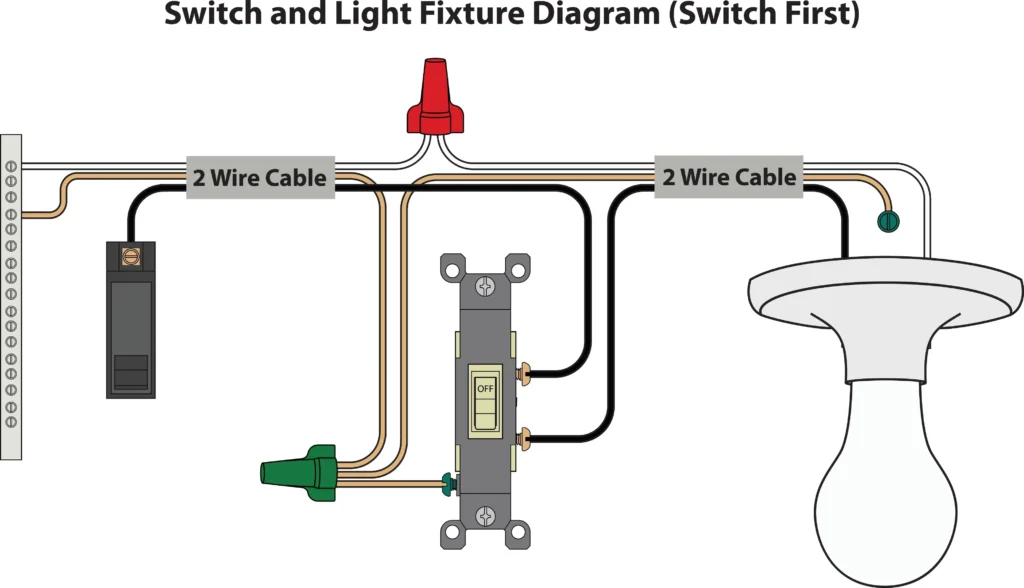
What do we inspect? We check the distribution board, wiring, earthing, and bonding. Additionally, we ensure that all fixed electrical equipment (like geysers and stove connections) is safe. Note: This certificate remains valid for two years, provided you have not made significant electrical alterations during that time.
2. The Cape Town Special: Water Certificate of Compliance
If your property falls under the City of Cape Town municipality, you cannot transfer ownership without this certificate. Introduced in 2011 to combat water wastage, this by-law is strictly enforced.
Why is this critical? Inspectors look for water leaks and ensure that your storm water does not flow into the sewerage system. Furthermore, we check that your water meter registers correctly when water is drawn. Since Cape Town is a water-scarce region, ensuring your plumbing is leak-free is both a legal and ethical obligation.
3. The Beetle Certificate (Wood-Destroying Organisms)
While not a government law like the Electrical COC, the “Beetle Clause” is a standard requirement in almost all Cape Town Offer to Purchase agreements. Banks and financial institutions rarely grant a bond without it.
What are we looking for? We inspect visible timbers, such as roof trusses and floorboards, for evidence of wood-destroying organisms (WDO). Specifically, in the Western Cape, we look for the beetles Hylotrupes bajulus and Oxypleurus nodieri. If we find an infestation, we will recommend the necessary treatment before issuing the certificate.
4. Gas Certificate of Compliance
Does your home feature a gas stove, a gas fireplace, or a gas braai? If so, you need a Gas COC. This ensures that the installation is free of leaks and that the gas lines are installed safely relative to windows, doors, and electrical points.
Important Tip: Many homeowners install gas appliances illegally (DIY). This not only voids your insurance but can also stall your property transfer. Professional verification is the only way to ensure safety.
5. Electric Fence Certificate of Compliance
Electric fencing is a popular security feature in Cape Town suburbs. However, a poorly installed fence causes radio interference and poses a severe shock hazard.
If you have an electric fence, you must possess a separate COC for it. This is distinct from your standard Electrical COC. The regulation applies to any system installed or altered after 1 October 2012.
Summary: Don't Let Paperwork Delay Your Sale
Missing a single certificate can delay the transfer of your property by weeks, frustrating both you and the buyer. The smartest strategy is to book your inspections as soon as you put your house on the market.
At DP Inspections, we offer a “One-Stop” service. We inspect, report, and certify all five areas, saving you the hassle of coordinating with multiple contractors.
Ready to get compliant? Contact us today for a comprehensive quote and ensure your Cape Town property sale goes through without a hitch.